
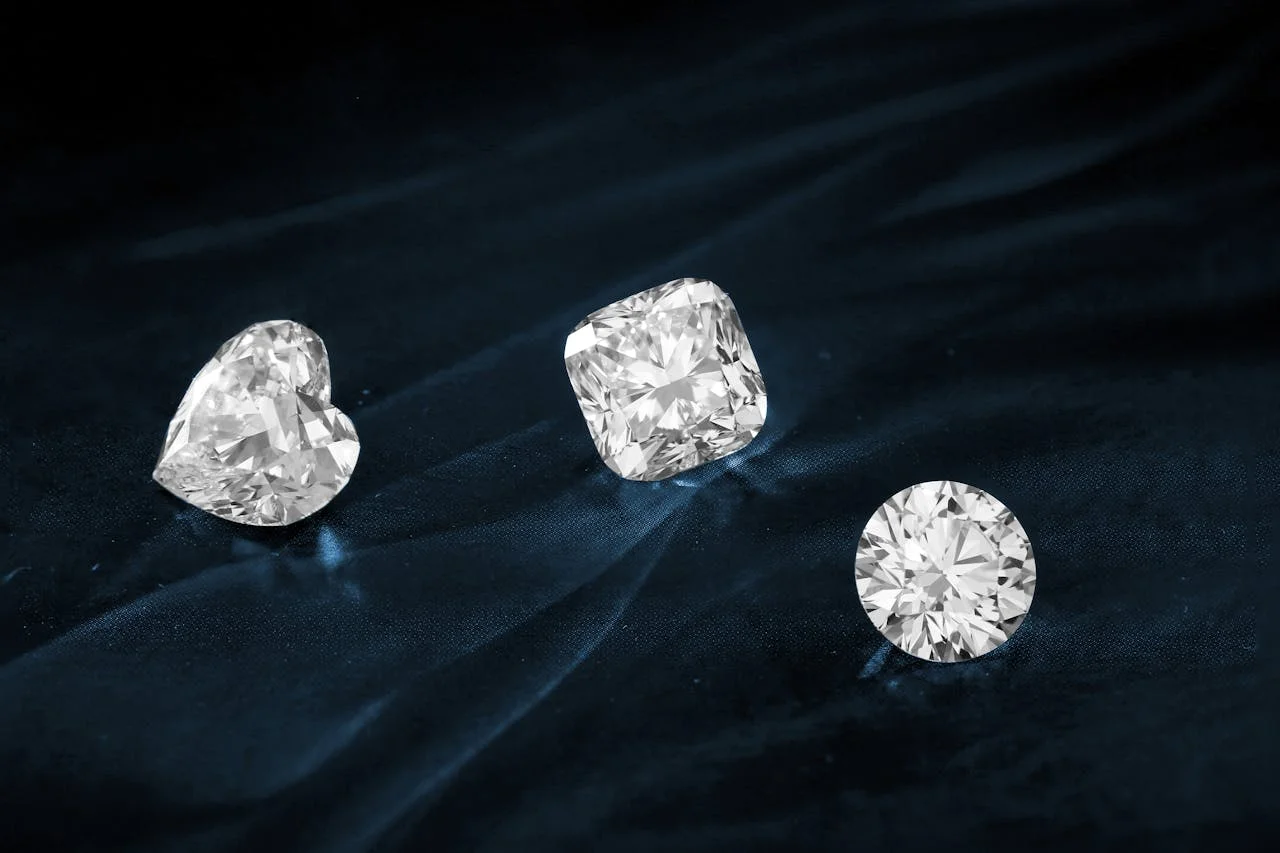

Lab grown diamonds are redefining modern jewellery with their quality, transparency, and value. As more buyers explore sustainable luxury, understanding how lab grown diamonds are created helps build confidence before making a purchase.
At Saturnn LGD, we believe that informed buyers make better decisions. This guide explains how are lab grown diamonds made, the lab-grown diamond production process, the technologies behind them, and the difference between lab grown and natural diamonds so you can choose with clarity.
How Are Diamonds Made In Nature
Before understanding lab creation, it is important to know how are diamonds made naturally. Natural diamonds form deep within the earth, where carbon is exposed to extreme heat and pressure over billions of years.
Through volcanic activity, these crystals move closer to the earth’s surface, where they are mined and cut for jewellery. While this natural process takes immense time, modern technology has made it possible to recreate the same conditions in controlled environments.
This advancement in technology is what makes how lab-grown diamonds are created a remarkable innovation, shaping the future of the jewellery industry.
Understanding The Lab-Grown Diamond Production Process
The lab-grown diamond production process begins with a tiny diamond seed. This seed is placed in a controlled environment where carbon atoms attach to it and gradually crystallize to form a larger diamond.
Step 1: Diamond Seed Placement
A thin slice of diamond acts as the base for growth. It ensures the new crystal develops with the same structure as a natural diamond.
Step 2: Controlled Growth Environment
Scientists recreate the temperature and pressure conditions required for diamond formation. This is where the transformation begins and carbon atoms start building around the seed.
Step 3: Crystal Formation
Over several weeks, carbon layers accumulate and form a complete diamond crystal. Once growth is complete, the stone is cut and polished just like a natural diamond.
This transparent and traceable lab-grown diamond production process ensures consistent quality, making lab grown diamonds a trusted choice for modern jewellery buyers.
What Is HPHT
Understanding High Pressure High Temperature Technology
If you are exploring how are lab grown diamonds made, you will often come across the term what is HPHT. HPHT stands for High Pressure High Temperature and replicates the natural diamond forming environment.
In this method, a diamond seed is placed inside a chamber along with carbon and exposed to extreme heat and pressure. The carbon melts and crystallizes around the seed, forming a diamond.
HPHT technology is widely used to create high quality stones and is especially effective for producing diamonds with specific color characteristics.
What Is CVD Diamond
Understanding Chemical Vapor Deposition
Another key method used in how lab grown diamonds are created is the CVD process. If you are wondering what is CVD diamond, it refers to diamonds grown using Chemical Vapor Deposition technology.
In this process, a diamond seed is placed in a vacuum chamber filled with carbon rich gas. The chamber is heated, causing the gas to break down and deposit carbon atoms onto the seed layer by layer.
CVD diamonds are known for their purity and are often used to create stones with excellent clarity and consistent structure.
Difference Between CVD And HPHT Diamonds
Understanding the difference between CVD and HPHT diamonds helps buyers evaluate how their diamond was created and what characteristics to expect. Both methods are part of the modern lab-grown diamond production process and produce genuine diamonds with the same durability and brilliance.
| Feature | CVD Diamonds | HPHT Diamonds |
| Growth Environment | Grown in a vacuum chamber using carbon rich gas | Created under extremely high pressure and temperature |
| Formation Method | Carbon atoms deposit layer by layer on a diamond seed | Carbon melts and crystallizes around the seed |
| Structural Characteristics | Typically show uniform growth patterns | May display distinct growth patterns due to pressure |
| Clarity Potential | Often known for high clarity and purity | Can vary depending on growth conditions |
| Production Control | Highly controlled process with precise monitoring | Replicates natural diamond forming conditions closely |
| End Result | Real diamonds with identical physical properties | Real diamonds with identical physical properties |
Both CVD and HPHT methods result in authentic lab grown diamonds suitable for all types of fine jewellery. The choice usually depends on availability, specific characteristics, and personal preference rather than durability or sparkle.
Difference Between Lab Grown And Natural Diamonds
After knowing how diamonds are made, understanding the difference between lab grown and natural diamonds helps buyers make an informed choice based on origin, value, and transparency. While both look identical, their formation process and buying advantages differ.
Natural diamonds are formed deep within the earth over billions of years under intense heat and pressure. Lab grown diamonds, on the other hand, are created in controlled environments within a few weeks using advanced technology that replicates these natural conditions.
In terms of appearance, hardness, and brilliance, both are the same. Even trained gemologists require specialized equipment to distinguish between them, which makes lab grown diamonds a reliable and authentic choice for fine jewellery.
Lab Grown Vs Natural Diamonds Comparison
| Feature | Lab Grown Diamonds | Natural Diamonds |
| Origin | Created in laboratories using advanced technology | Formed naturally beneath the earth’s surface |
| Formation Time | Typically a few weeks | Billions of years |
| Physical Properties | Identical hardness, brilliance, and composition | Identical hardness, brilliance, and composition |
| Visual Appearance | Looks identical to natural diamonds | Looks identical to lab grown diamonds |
| Traceability | Fully traceable production process | Limited traceability depending on source |
| Value Proposition | Often more budget friendly for similar quality | Generally priced higher due to rarity |
At Saturnn LGD, we specialize in lab grown diamonds because they combine innovation with transparency and consistent quality. This allows modern buyers to choose jewellery that reflects both luxury and informed decision making.
Benefits Of Lab Grown Diamonds
There are several benefits of lab grown diamonds that make them a preferred choice in modern jewellery. As buyers become more informed, they look for diamonds that offer not only beauty but also transparency, value, and reliability. Lab grown diamonds meet these expectations by combining advanced technology with consistent quality standards.
Better Value
One of the most important benefits of lab grown diamonds is their price advantage. Lab grown diamonds typically cost less than natural diamonds of comparable size and quality. This allows buyers to choose larger carat weights or higher clarity grades within the same budget, making premium jewellery more accessible without compromising on brilliance or durability.
Transparency And Traceability
Because the lab-grown diamond production process takes place in controlled environments, every stage of creation is documented. Buyers know exactly how their diamond was made, which builds trust and confidence in the purchase. This level of transparency is especially important for customers who want complete clarity about origin and quality.
Sustainable Choice
Lab grown diamonds are considered a more responsible option compared to traditionally mined diamonds. Their production minimizes the environmental impact associated with mining activities, making them a suitable choice for buyers who prioritize sustainability alongside luxury. Choosing lab grown diamonds allows customers to enjoy fine jewellery while supporting more mindful production practices.
Consistent Quality
Controlled growth conditions ensure uniform structure and predictable grading results. This means buyers can expect reliable color, clarity, and cut standards across diamonds. The consistency achieved through the lab-grown diamond production process makes lab grown diamonds an excellent option for both everyday jewellery and significant milestone purchases.
Modern And Future Ready Luxury
Another key benefit of lab grown diamonds is that they align with the expectations of modern consumers. Today’s buyers seek jewellery that reflects innovation, ethical awareness, and long term value. Lab grown diamonds deliver on all these aspects while maintaining the same sparkle and durability as natural diamonds.
These benefits of lab grown diamonds make them a smart and future focused choice for anyone looking to invest in fine jewellery with confidence.
Why Understanding The Creation Process Matters
Knowing how lab grown diamonds are created helps buyers appreciate the innovation behind these stones. It also builds trust and ensures clarity when comparing options.
When you understand how are lab grown diamonds made, the role of HPHT, what CVD diamonds are, and the difference between CVD and HPHT diamonds, you are better equipped to choose the right diamond.
For Saturnn LGD customers, this knowledge ensures every purchase is made with confidence and complete transparency.
Conclusion
Understanding how lab grown diamonds are created gives you insight into the science and craftsmanship behind modern diamonds.
With clear advantages such as value, sustainability, and transparency, lab grown diamonds continue to shape the future of fine jewellery. By knowing the difference between lab grown and natural diamonds and the benefits of lab grown diamonds, you can make a confident and informed choice for your next piece of jewellery.