
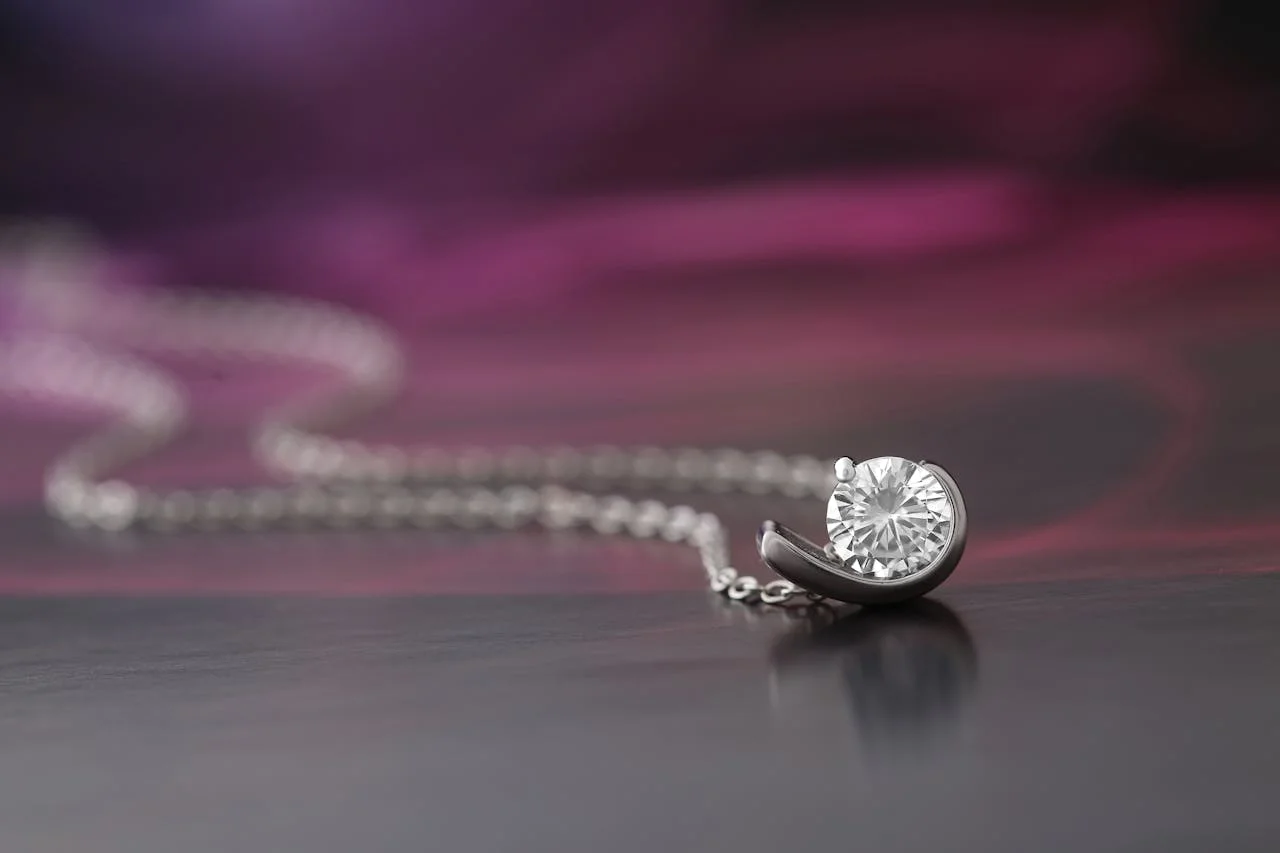

The jewellery industry is changing, and buyers today are asking smarter questions. They want beauty, value, transparency, and something that fits modern lifestyles. That is exactly why lab grown diamonds are seeing such a strong rise in popularity.
Once seen as a niche category, lab diamonds are now becoming a serious choice for engagement rings, earrings, pendants, and everyday fine jewellery. From better pricing to ethical sourcing, there are many reasons behind the growth of lab diamond market across the world.
A lot of shoppers are also comparing lab grown diamonds vs real diamonds to understand whether they are truly worth buying. The answer, for many, is yes. They offer the same sparkle and durability, while solving some of the biggest concerns associated with traditional diamond buying.
So, what is driving this shift? Here are 7 clear reasons why lab diamonds are no longer just an alternative; they are becoming the future of lab grown diamonds and a major part of the future of fine jewellery.
1. They Make Diamond Jewellery More Affordable
One of the biggest reasons behind their rising demand is simple: better value.
Many buyers want beautiful diamond jewellery, but budget often becomes the deciding factor. This is where lab diamonds stand out. If you have ever wondered why are lab grown diamonds cheaper, the answer lies in the process. Unlike mined diamonds, lab-grown diamonds are created in controlled environments, which removes the heavy costs linked to mining, transport, and large supply chains.
This does not mean they are fake or lower quality. It simply means buyers can often get a larger or better-looking stone for the same budget. That price advantage is one of the biggest reasons younger shoppers are moving towards lab diamonds.
2. Lab Grown Diamonds Are Real Diamonds
This is one of the most important points to understand.
When people search for lab grown diamonds vs real diamonds, they are usually trying to figure out whether lab diamonds are actually real. The truth is: yes, they are. Lab-grown diamonds have the same chemical, physical, and optical properties as mined diamonds.
They are not cubic zirconia or artificial lookalikes. They are real diamonds created through advanced technology. They shine the same way, feel the same, and offer the same hardness.
This is why many modern buyers no longer see mined diamonds as the only “real” option. The conversation around lab grown diamonds vs real diamonds is changing because awareness is improving.
3. They Appeal to Environmentally Conscious Buyers
Sustainability has become a major factor in how people shop, especially in categories like fashion, beauty, and jewellery.
Many customers today actively look for eco-friendly diamonds because they want products that align with their values. Traditional diamond mining can involve land disruption, resource extraction, and a larger environmental footprint. Lab-grown diamonds offer an alternative that feels more aligned with the preferences of modern consumers.
That is one reason eco-friendly diamonds are becoming more relevant in the jewellery space. Buyers are not just purchasing based on looks anymore. They are also thinking about where the product comes from and how it was made.
This shift is playing a big role in the future of lab grown diamonds.
4. They Offer Strong Quality and Visual Consistency
Another reason lab diamonds are becoming more popular is consistency.
When customers shop for diamond jewellery, they want something that looks brilliant, clear, and beautifully finished. Lab-grown diamonds are known for offering strong visual appeal and quality consistency, which gives buyers greater confidence when making a purchase.
Because they are produced in controlled conditions, many lab diamonds come with attractive clarity and colour characteristics. For everyday buyers, this means they can find jewellery that looks premium without stretching the budget too far.
This balance of beauty and value is one of the key reasons behind the growth of lab diamond market.
5. They Fit the Needs of Younger Generations
Millennials and Gen Z are changing the jewellery industry in a big way.
They are more research-driven, more value-conscious, and often more open to modern alternatives. They do not just buy jewellery because of tradition, they want meaning, practicality, and transparency.
This is where lab-grown diamonds connect strongly with younger buyers. They offer style, quality, and affordability in a way that feels relevant today. A shopper who compares lab grown diamonds vs real diamonds may realise that the visual difference is negligible, but the price and sourcing benefits are significant.
That practical mindset is helping push the future of lab grown diamonds into the mainstream.
6. They Support Innovation and Design Freedom
Lab diamonds are also changing jewellery design.
Because they are often more accessible in price, designers and buyers have more flexibility to explore different cuts, sizes, and settings. This opens the door to more creativity in engagement rings, fashion jewellery, and customised fine jewellery.
Whether it is a bold statement ring or a clean minimalist pendant, lab diamonds make it easier for customers to choose styles that match their personality without feeling restricted by price.
This design freedom is another reason why the growth of lab diamond market is accelerating.
7. They Are Durable Enough for Everyday Jewellery
A diamond should not just look beautiful, it should last.
Lab-grown diamonds rank the same as mined diamonds on hardness, which makes them highly durable for regular wear. That means they are suitable for rings, earrings, bracelets, and pendants that are worn often.
For many buyers, this durability removes hesitation. They are not just buying a trend; they are investing in jewellery they can actually use and enjoy for years.
This everyday practicality is helping more consumers understand the real value behind lab-grown diamonds.
Why the Future Looks Strong for Lab Diamonds
The rise of lab-grown diamonds is not happening for just one reason. It is the result of many shifts happening together, changing buyer preferences, better awareness, stronger product trust, and growing demand for jewellery that feels modern in every sense.
The future of lab grown diamonds looks strong because the category solves several key concerns at once. It answers the question of why are lab grown diamonds cheaper, offers a convincing answer in the debate around lab grown diamonds vs real diamonds, and gives buyers access to eco-friendly diamonds that still deliver on beauty and durability.
That is exactly why the growth of lab diamond market is being watched so closely across the jewellery industry.
Final Thoughts
Lab-grown diamonds are no longer just an emerging option. They are becoming a preferred choice for buyers who want fine jewellery that feels beautiful, practical, and relevant to the times.
From affordability and durability to ethics and sustainability, the reasons are strong and easy to understand. For today’s buyer, lab diamonds are not about compromise. They are about making a smarter and more informed choice.
As awareness continues to grow, it is clear that the future of lab grown diamonds will play an even bigger role in fine jewellery, especially among shoppers looking beyond tradition and towards value, design, and transparency.
FAQs
Are lab grown diamonds real diamonds?
Yes, lab-grown diamonds are real diamonds with the same physical, chemical, and optical properties as mined diamonds.
Why are lab grown diamonds cheaper?
They are created in controlled environments, which avoids the high costs of mining, transport, and traditional supply chains.
Are lab grown diamonds eco-friendly?
They are often considered eco-friendly diamonds because they avoid mining and generally have a lower environmental impact.
What is the future of lab grown diamonds?
The category is expected to grow further as more buyers choose sustainable, affordable, and high-quality diamond jewellery.
How is the lab grown diamond market growing?
The growth of lab diamond market is being driven by affordability, ethical sourcing, rising awareness, and demand from younger generations.